Teaching a model to play Pokémon
A game-playing agent built from scratch: learn from games, play against itself, then search ahead. Top 5% on Kaggle.
Two CPUs at match time. No GPU or internet.
I like getting deep into a subject and building something with what I learn.
I’m a software & ML engineer at  Apple in Munich. Before that, I researched brain surgery imaging at
  Harvard Medical School and led
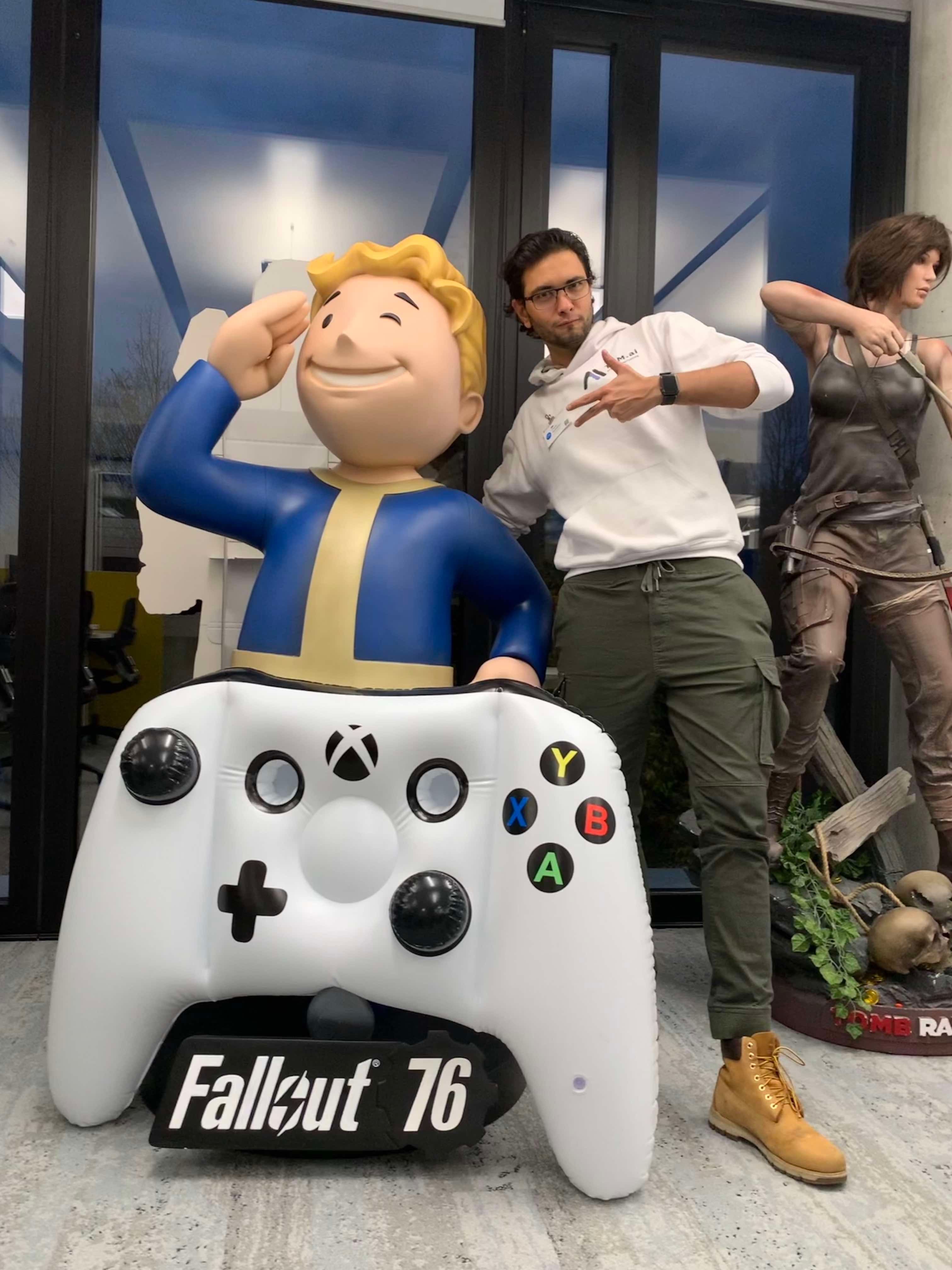
  TUM.ai.
My interests tend to wander into biology, physics, and how models learn.
Outside of all that: a lot of pickleball.
(Padel, wait for me 👀)
A game-playing agent built from scratch: learn from games, play against itself, then search ahead. Top 5% on Kaggle.
Two CPUs at match time. No GPU or internet.
Matching a surgeon’s camera view to brain scans using neural radiance fields. My Bachelor’s thesis at Harvard Medical School.
Research in image-guided neurosurgery.
At Apple, I built a system that takes internal software issues through to code changes ready for review, and train the models that do the work.
Built and shipped the production system.
I led implementation of an iPhone-based magnetic and inertial navigation prototype, from sensor capture to a working indoor demonstration. Our team won 2nd place at EDTH Paris.
2nd place. Demonstrated indoors at Station F.
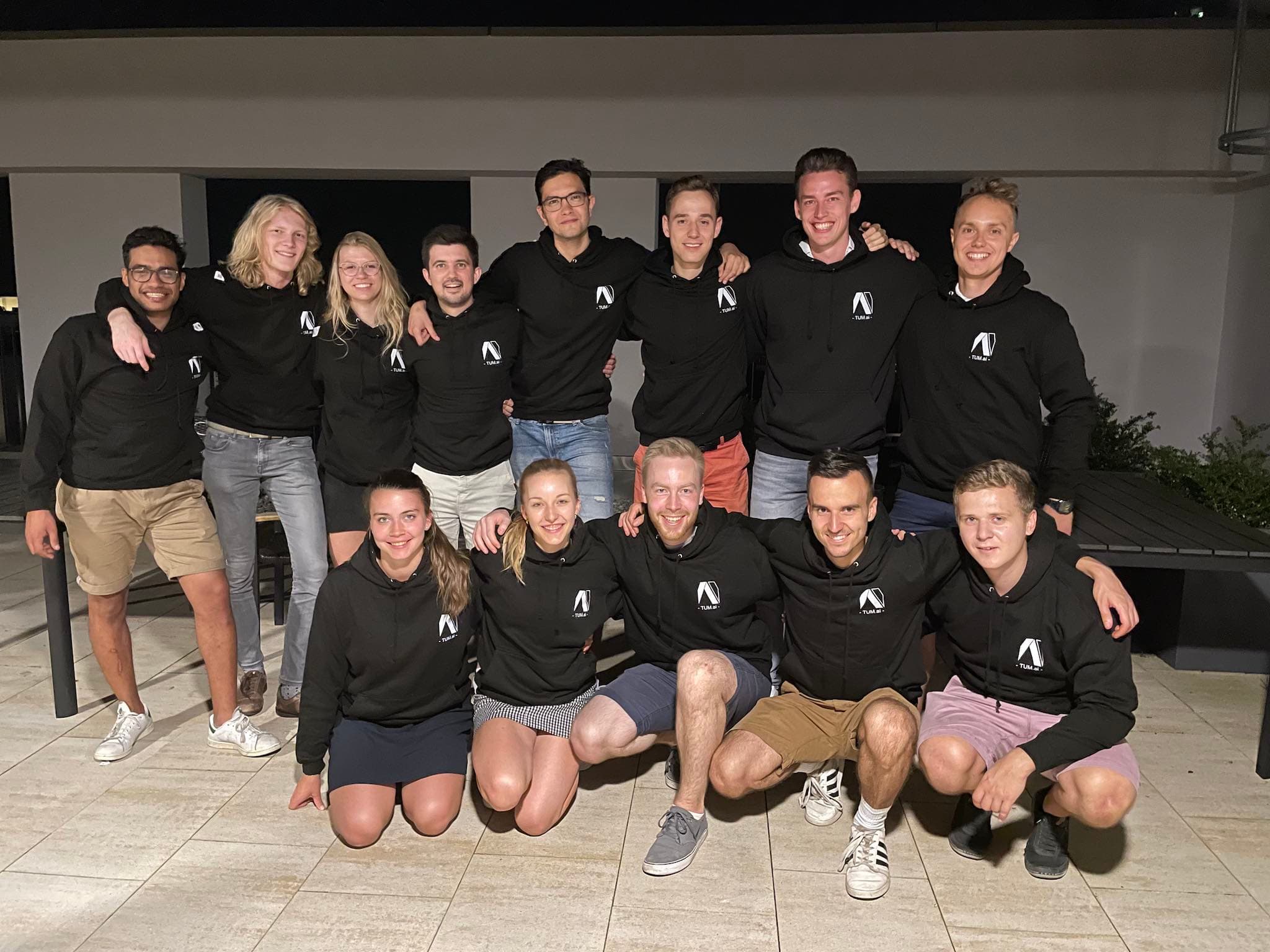
I joined early and later spent two years as president. We grew to 300+ members, ran summits and hackathons, and worked with students on research and startup ideas.
I’m proud of what we built together. There are a lot of people behind that sentence.
More about that part of my lifeSoftware & Machine Learning Engineer
Software & ML Engineer Intern
Project Manager
Machine Learning Researcher, Brain Surgery Imaging
ML & Software Engineering Consultant
AI Solutions Engineer
Data Engineer for IoT Systems
Data Engineer & Science Consultant
Junior Data Scientist & ML Engineer
President
Industry Department, Team Lead & Mentor
Help hotline for Ukrainian refugees
Venture Department, Team Lead
Events Organiser & ML Consultant
What actually happens inside a model as it learns? Why can training it to do one thing make it worse at something else? I want to work on explainable AI, especially mechanistic interpretability, to understand those changes.
AI alignment is another question I want to work on: how do we build models whose behaviour we can trust, even in situations they weren’t trained for?
I’m also curious about where this meets biology, and what we could learn by looking inside models trained on biological data.
And I want to keep finding ways to use what I know to help Ukraine.